
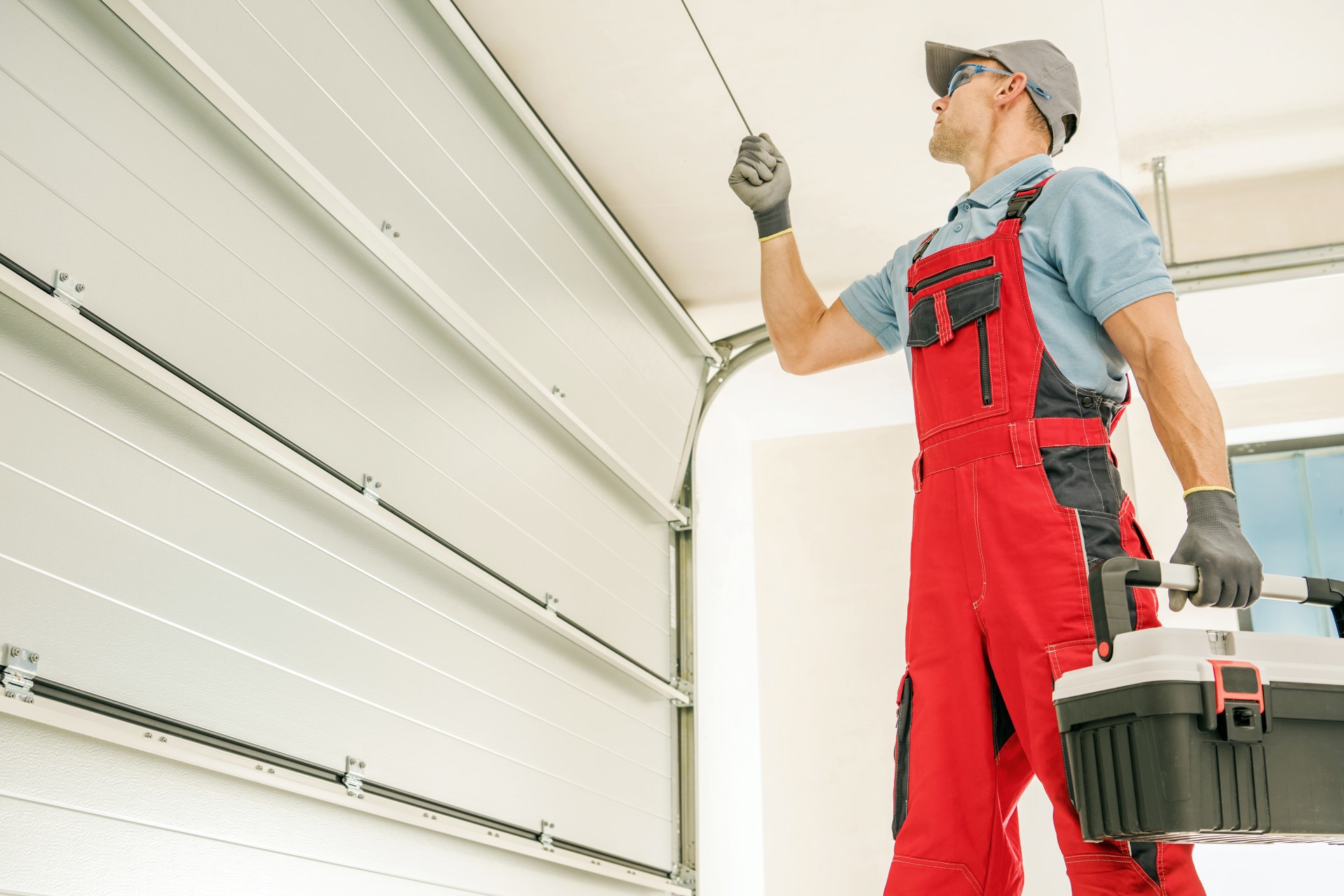
Garage Door Won't Open? 6 Common Problems and What Causes Them
Your Garage Door Is the Biggest Moving Part of Your House
Most families in Northwest Arkansas use the garage as their real front door. It goes up and down three, four, five times a day, every day, for years — and then one morning it doesn't. The car's stuck inside, you're already late, and you're standing there pushing a button that isn't doing anything.
The good news: a garage door that stops working usually fails in one of a handful of predictable ways, and a few of them you can sort out yourself in five minutes. The rest need a pro, and one of them — a broken spring — is genuinely dangerous to touch. Here's how to tell which is which before you call anybody.
Get a Free Estimate!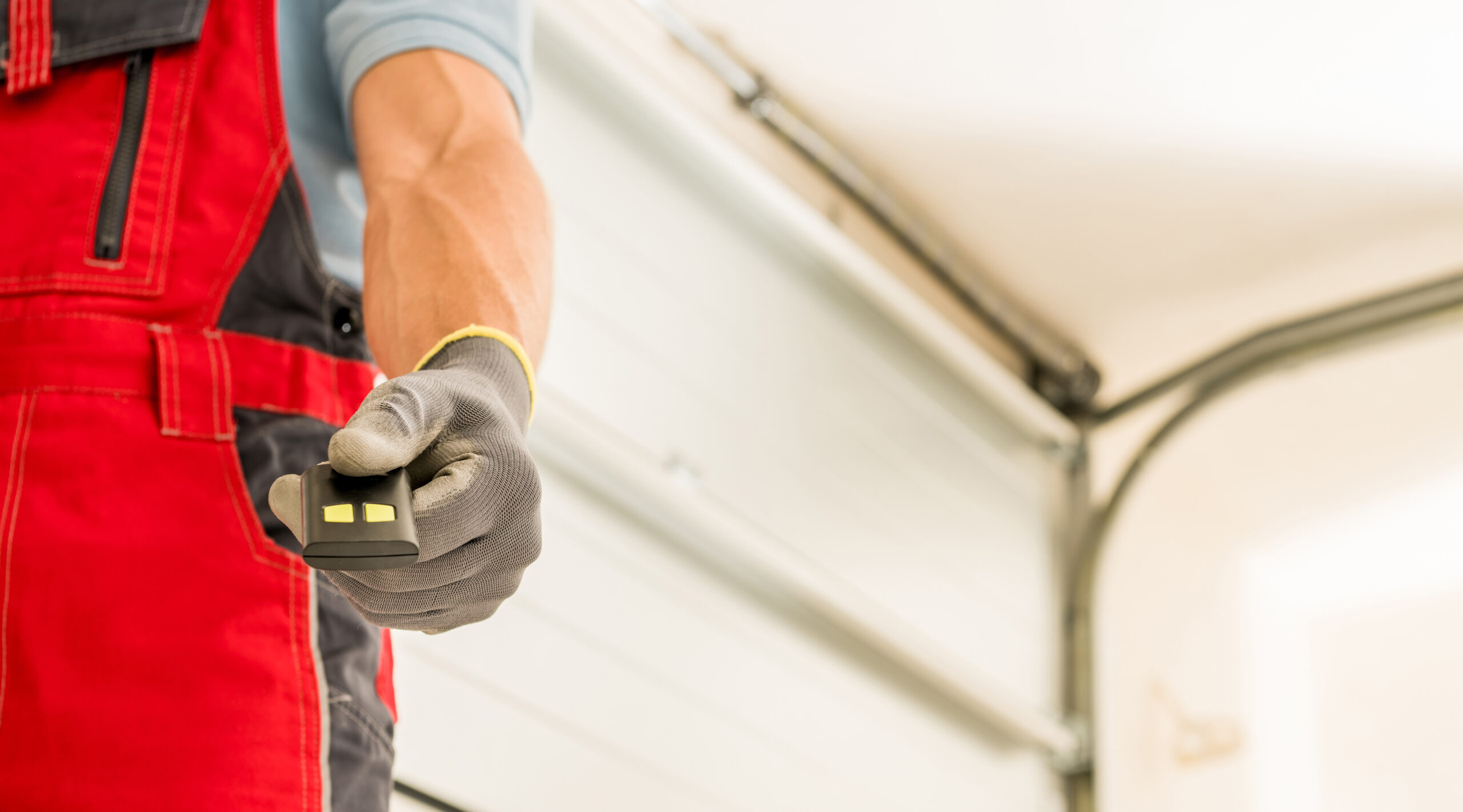
What's Actually Happening When Your Door Quits
Every garage door failure sounds a little different — a bang, a hum, a grind, or nothing at all. Jump to whichever one matches what yours is doing.
A Broken Spring Is the Number One Culprit
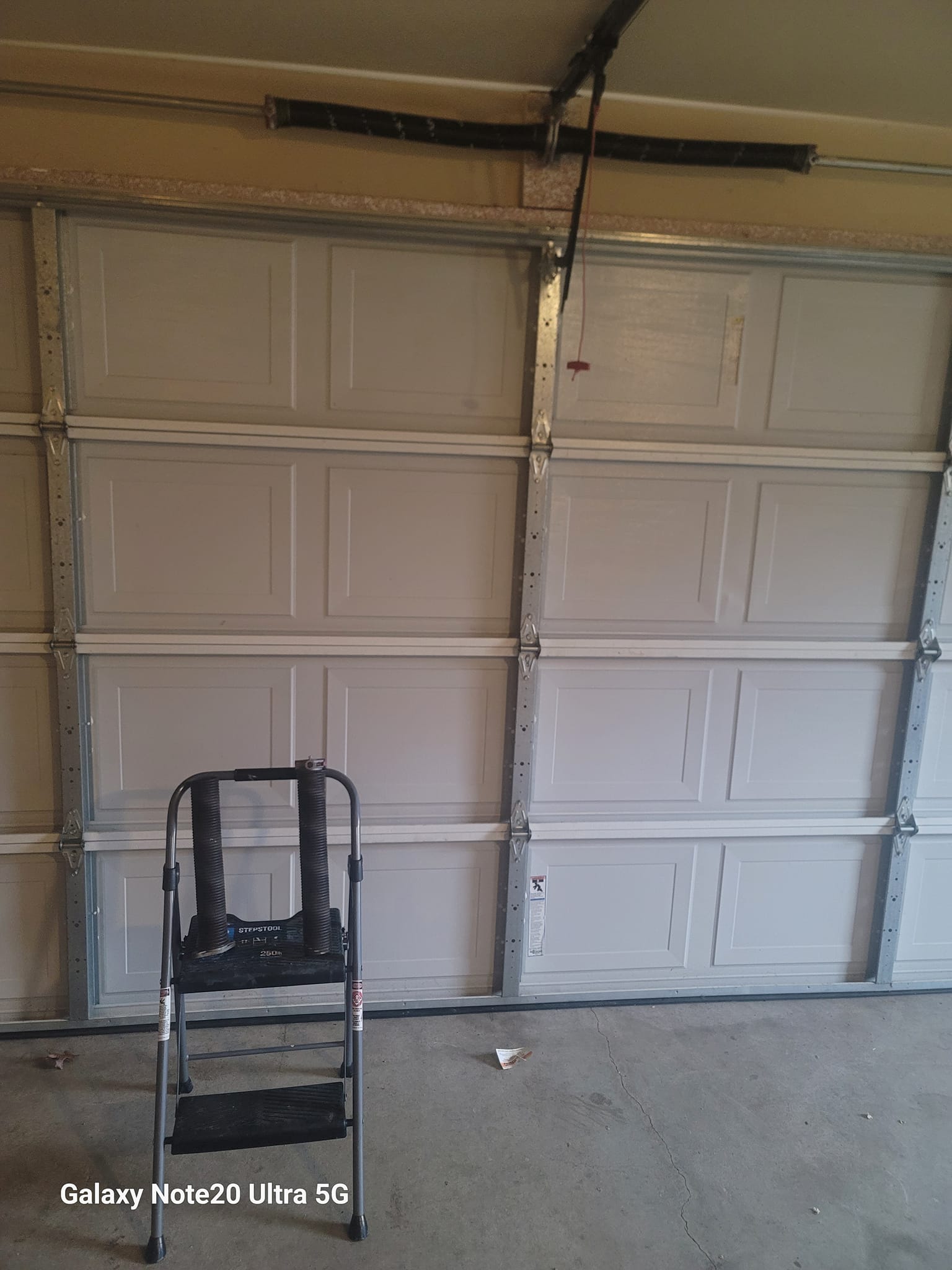
If you heard what sounded like a gunshot come from the garage — sometimes in the middle of the night, with nobody near the door — you almost certainly broke a torsion spring. Those springs sit on a bar above the opening and do the actual lifting. A double-car door weighs somewhere between 150 and 300 pounds, and the opener motor is only strong enough to guide it. The springs carry the weight. When one snaps, the opener suddenly has to lift the whole door by itself, and it can't.
The signs are consistent: the door won't budge, or it lifts a few inches and stops. It feels impossibly heavy if you try by hand. Look up at the spring above the door and you'll usually see a clean two-inch gap in the coil. Springs are rated in cycles — roughly 10,000 for a standard set, which for most Bentonville households works out to seven to ten years. If yours is that old and one side went, the other side is on the same clock.
Do not try to replace a torsion spring yourself. A wound spring stores an enormous amount of energy, and releasing it without the right winding bars is how people lose fingers and break wrists. This is the one repair on this list where the DIY-versus-pro question isn't close — we cover that line in more detail in our guide to DIY versus pro home maintenance. Call us and we'll handle it, usually same day or next day, and we replace springs in pairs so you're not back here in six months.
The Opener Hums but Nothing Moves
This one has a happy ending more often than people expect. If the motor whirs and the door sits still, the first thing to check is the trolley — the small carriage that connects the door arm to the rail. Pulling the red emergency release cord disconnects it so you can lift the door by hand during a power outage, and it's very easy to leave it disconnected afterward, or to snag it with a roof rack or a tall load. To re-engage it, close the door fully, then pull the cord toward the door (not down) until the trolley clicks, and run the opener once. If it grabs, you're done, and it cost you nothing.
If the trolley is connected and the motor still spins freely, the usual cause is a stripped drive gear. Most chain-drive openers use a nylon main gear that wears down over a decade or so, and once the teeth round off, the motor turns without driving the chain. You'll often hear a rattly, hollow sound and find fine white plastic shavings on the garage floor underneath the unit. That's a repair, not a replacement — the gear kit is inexpensive and the whole opener rarely needs to go.
Two other possibilities worth ruling out before you call: the travel limits may have drifted, which makes a door stop short or refuse to close all the way, and a chain or belt can go slack enough to slip. And if the opener does nothing at all — no hum, no lights — check the breaker and make sure the outlet on the ceiling hasn't been tripped by a GFCI elsewhere in the garage.
Your Safety Sensors Are Doing Their Job
A door that starts down, changes its mind, and goes back up is almost always a photo-eye problem. Every opener made since the early nineties has a pair of sensors mounted about six inches off the floor on either side of the opening, shooting an invisible beam across the doorway. Break the beam and the door reverses. It's the feature that keeps a door from closing on a kid or a bike, and it's deliberately twitchy.
Walk over and look at the little indicator lights on both units. One is usually steady green and the other steady amber or red when they're aligned and talking to each other. A blinking or dark light means the beam is broken or the pair is out of alignment. In practice it's a cobweb across the lens, a bag of mulch parked in the beam, or a bracket knocked loose by a lawnmower or a stray basketball. Wipe both lenses with a dry cloth, clear the path, and gently nudge one sensor until both lights hold steady.
Late-afternoon sun is a genuinely common cause here in NWA — a west-facing garage in July can get enough direct glare on the receiving eye to wash out the beam and stop the door from closing at exactly the same time every evening. If the door closes fine in the morning and refuses at six o'clock, that's your answer, and a small sun shield fixes it. If the lights are steady and the door still reverses, the close-force setting or a binding roller is the more likely cause, and that's worth having looked at — a door that reverses for no visible reason is also a door that might not reverse when it should. Our post on garage door safety covers the tests every homeowner should run once a year.
Rollers and Tracks Wear Out Quietly
Rollers are the small wheels that ride in the tracks on either side of the door. Cheap builder-grade doors ship with plastic rollers that have no bearings, and after a few thousand cycles they flatten, crack, or seize. A seized roller drags instead of rolling, which is where the grinding and the shuddering come from, and it puts sideways load on everything else in the system.
Track problems usually start with a bump — backing into the track with a bumper, catching it with a ladder, or a lag bolt that's slowly worked loose from years of vibration. A bent track pinches the roller, the door binds at the same spot every time, and eventually a roller pops out of the channel. If your door has come off its track, stop using it. Running the opener on a derailed door bends more track, kinks the cables, and turns a small fix into a big one.
Loose hardware is the version of this you can catch early. Grab a socket set once a year and check the bolts on the hinges and the track brackets — snug, not cranked down. Anything involving cables, the spring bar, or the bottom brackets is under tension and should be left alone. If you want a broader once-a-year walkthrough, we put one together in our year-round preventative maintenance guide.
Call it in and describe what the door is doing — the sound, when it happens, how far it travels. Twenty years in, we can usually narrow it down over the phone and bring the right parts the first trip.
When Repair Stops Making Sense
Sometimes the mechanism is fine and the door itself is the problem. A backed-into bottom panel, a cracked stile where the hinge mounts, delaminating wood on an older door, or rust creeping up from the bottom edge — these change the answer from repair to replace. A single damaged panel can often be swapped if the model is still in production and the rest of the door is sound. Once two or three panels are compromised, or the section that carries the hinge hardware has split, a new door is the better spend.
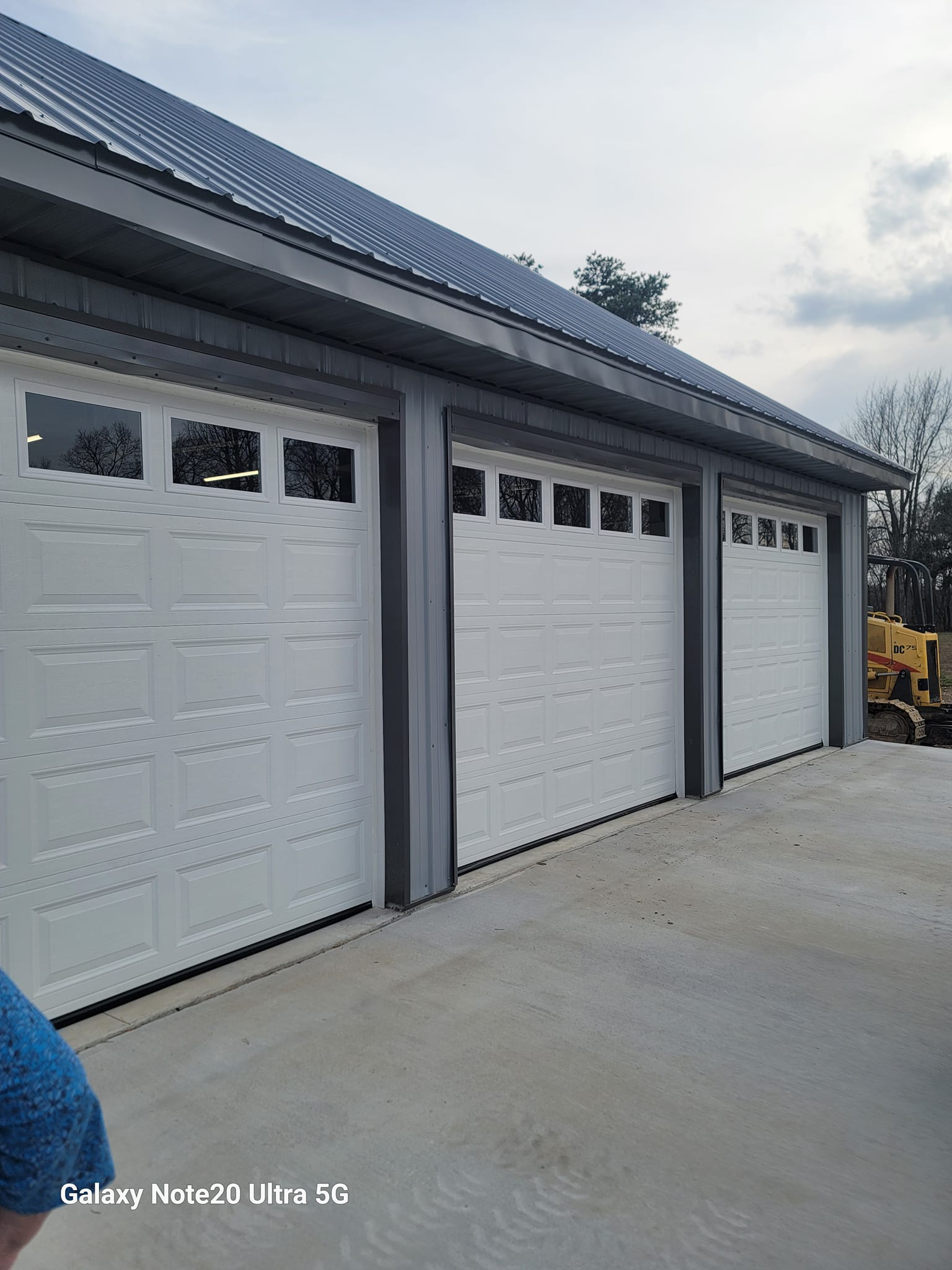
The other tell is frequency. If you've paid for three separate repairs in two years on the same door, the parts are all reaching end of life at roughly the same time, and you're buying it piece by piece at a worse price. We wrote about the specific warning signs in five signs it's time to replace your garage door, and we handle both sides of it — repairs and full garage door installations across Bentonville, Bella Vista, Centerton and the rest of NWA.
Noise Is an Early Warning, Not a Personality
A door that shakes the kitchen ceiling every time it opens isn't just old. Noise means something is loose, dry, or wearing, and it's the cheapest moment to deal with any of it. Twenty minutes of maintenance once a year buys you years of quiet operation and heads off most of the failures above.
Three things make almost all the difference. Tighten the hinge and bracket bolts, since a door that cycles a thousand times a year vibrates everything loose. Lubricate the hinges, rollers and the spring coil with a garage-door lubricant or white lithium grease — not WD-40, which is a solvent and strips the grease you actually want in there. And run a balance test: pull the release cord, lift the door by hand to about waist height, and let go. A properly balanced door stays put. If it slams down or shoots up, the springs are out of adjustment and the opener has been compensating for them, which is exactly how openers die early.
While you're at it, run the reversal test. Lay a two-by-four flat on the floor under the door and close it — the door should touch the wood and immediately reverse. If it doesn't, stop using the door until it's adjusted. That's not a comfort issue, that's the safety system telling you it isn't working.
What Happens After You Call Handy Dan
No dispatch runaround, no vague windows, no "we'll have to see when we get there" pricing.
1. You Call or Message
Reach us directly at (479) 899-8333 or send the details through the estimate form. A real person picks it up.
2. Describe the Symptom
Tell us what the door is doing and what you heard. That usually narrows it down before anyone leaves the shop.
3. Flat-Rate Quote
You get a firm price for the work, up front. No hourly meter, no surprise line items at the end.
4. Same or Next Day
Most garage door calls get scheduled same day or next day. Trapped car? Say so and we'll prioritize it.
5. We Fix It Right
Springs replaced in pairs, hardware torqued to spec, and the door balanced before the opener goes back on.
6. Test and Walk Through
We cycle the door, run the safety reversal test with you watching, and clean up before we leave.
Garage Door Questions We Get Every Week
We'd strongly advise against it. A torsion spring is wound under extreme tension, and unwinding one without proper winding bars is how people end up in the emergency room. The parts are cheap; the injuries are not. This is a job worth handing off, and it's usually finished in about an hour.
On a two-spring door, yes, we replace them as a pair. Both springs were installed on the same day and have taken the same number of cycles, so when one fails the other is typically close behind. Doing both at once means one trip, one service call, and a door that stays balanced.
If the wall button works, the opener and the door are fine — it's a signal problem. Start with a fresh battery in the remote, then try reprogramming it to the opener. If a new remote still won't reach, check that the antenna wire is hanging freely from the motor unit. Some LED and CFL bulbs also throw off radio interference that shortens remote range dramatically; swapping to a garage-door-rated LED often fixes it outright.
It depends entirely on which part failed — a sensor realignment and a full spring replacement are very different jobs. What we can promise is that you'll get a flat-rate price before any work starts, and it won't change afterward. Describe the symptom when you call and we can usually give you a solid number over the phone.
A stripped gear or a worn chain on an otherwise healthy opener is usually worth repairing. If the unit predates 1993 it won't have photo-eye safety sensors at all, and replacement is the right call for safety reasons alone. Anywhere in between, we'll tell you honestly which way the math points.
Both. We handle repairs, opener work, panel swaps, and full door installations and replacements throughout Northwest Arkansas. If a repair will get you several more good years, we'll say so — we're not going to sell you a door you don't need yet.
Awesome service and work!
We Also Provide
Garage Doors
Spring and opener repairs, panel replacement, and new door installation across Bentonville and NWA.
Learn MoreHandyman Services
The honey-do list you keep putting off — mounting, repairs, fixtures, doors, and small home projects.
Learn MoreFence Repairs
Post replacement, panel and picket repair, gate fixes, and storm damage on wood privacy fencing.
Learn MoreAreas We Serve
Let's Get It Moving Again
If the five-minute fixes didn't do it, that's fine — that's what we're for. Flat-rate pricing, same-day or next-day scheduling, and twenty years of Northwest Arkansas garage doors behind it.
Tell Us What It's Doing
Call or send the form with a quick description of the symptom and the sound.
Get Your Flat Rate
A firm price before we start, with no hourly billing and no add-ons at the end.
Back to Normal
Repair done, door balanced and safety-tested, and your car out of the garage.