
Flat rate vs. hourly: how handyman pricing should work in Northwest Arkansas
On this page · 8 sections
One of the first things people ask when they call us is some version of "What's your hourly rate?" It's a fair question, and it's the one most homeowners have been trained to ask. Our answer usually surprises them: we'd rather not work by the hour at all. We'd rather tell you the price of the job before we start it, and then do the job for that price.
That isn't a gimmick. It's how we've priced work for years across Bentonville, Bella Vista, Cave Springs, Fayetteville, Gravette, and the rest of Northwest Arkansas, and it changes what you're actually comparing when you line up two quotes. Here's how flat-rate pricing works, when we can quote over the phone, when we need to come out first, and how to tell which kind of job you have.
The short answer
Bottom Line Up Front
If the job is simple and common, like a faucet installation, you should get a flat price over the phone. If it's a punch list, a garage door, or anything that needs eyes on it, expect a free walk-through first, then one price for the whole job. Either way, you should know the number before work starts.
Hourly billing puts the risk of a slow day, a supply run, or a long lunch on you. A flat rate puts it on the contractor, where it belongs. The only time a flat price can't be given on the spot is when nobody has seen the work yet, and that's what a free onsite visit is for.
faucet installation
are always free
we carry
The rest of this post explains why the clock works against you on small jobs, how a walk-through turns a long list into one number, and a quick matrix at the end so you know what to expect before you pick up the phone.
Why hourly pricing works against the homeowner
An hourly rate tells you what a minute costs. It doesn't tell you what the job costs. The total depends on how long the work takes, and you don't find that out until the invoice shows up. Supply runs, a slow afternoon, a coffee break, a second trip because the right part wasn't on the truck: on an hourly job, every one of those is on your dime.
Flat rate flips that. We work steadily and don't take a ton of breaks, so billing by the hour would only cost us, and a set price means you know the number before we pick up a tool. If the job runs long, that's our problem, not yours. No surprises on the invoice is the whole point.
Flat rate vs. hourly at a glance
Here's the comparison side by side. Each row is something a homeowner actually runs into; the highlighted cell is the column that comes out ahead on that point. Flat rate doesn't win every row, and we'd rather show you that than pretend otherwise.
| Factor | Flat Rate | Hourly |
|---|---|---|
| When you know the price | Before work starts | When the invoice arrives |
| Breaks and supply runs | Built into the price | Billed to you |
| A job that runs long | The contractor's problem | Your problem |
| Surprises on the bill | The number you agreed to | Depends on the clock |
| Comparing two quotes | Total vs. total | Rates don't show the total |
| Simple, common jobs | Priced on the first call | Still billed by time |
| Unknown scope | Needs a walk-through first | Can start without one |
The more complete your list is, the more complete the price is. Walk the house with a notepad or your phone: the door that sticks, the loose towel bar, the fence board the dog pushed out, the cabinet that needs to fit a new microwave. Snap a photo of each one. A written list turns a walk-through into a single number for everything, instead of a price for half of it and a second visit for the rest.
When we can give you a price over the phone
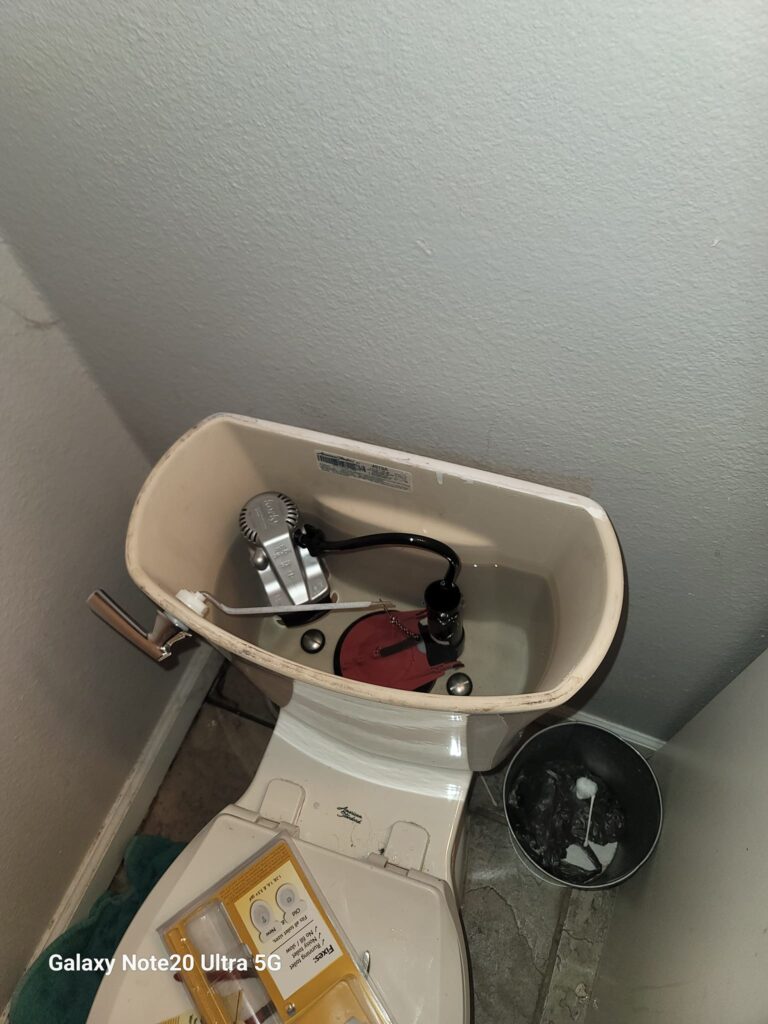
Plenty of common jobs are the same job every time. A simple faucet installation is a good example: we know what it takes, so we charge a flat $150 for it. For generic work like that, we have set pricing, and you'll hear the number on the first call. No visit needed, no guessing.
When we need to come out and look first
Some work can't be priced honestly from a phone call. A punch list (or a honey-do list, depending on who's doing the asking) is several jobs at once, and each item can hide something. So we come out, go over the list with you item by item, and give you the price. Onsite diagnostics are free, so seeing it in person costs you nothing.
The same goes for garage doors. A door that won't open could be a spring, the opener, or the door itself, and nine times out of ten a repair call turns into an install. We'd rather see it, tell you what we found, and price what it actually needs. Cabinet work, like modifying a shelf so a replacement microwave fits and color-matching it so it looks like it's always been there, and fence repairs fall in the same camp.
Priced on the phone
The job is known and repeatable. You get a set number on the first call.
What these jobs look like
- One task, the same as it is in most homes, such as a simple faucet installation.
- You can describe it in a sentence without anyone needing to look behind it.
- Nothing has to be cut, modified, or matched to make it fit.
- It doesn't depend on what's inside a wall, a cabinet, or a garage door opener.
Priced after a walk-through
The job has parts nobody has seen yet. A free visit turns it into one clear price.
What these jobs look like
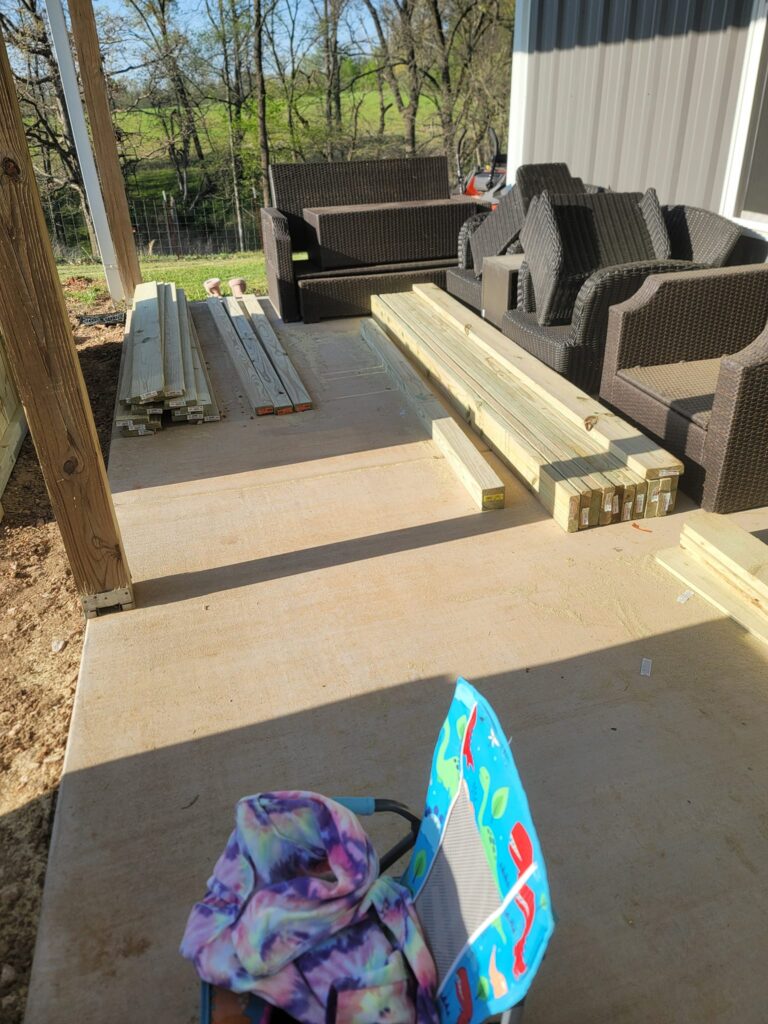
- A punch list or honey-do list with several items in different rooms.
- A garage door that won't open, closes unevenly, or makes new noises.
- A replacement that has to be made to fit, like a cabinet modified for a new microwave.
- Fence sections that are leaning, missing, or damaged along the line.
A cheap hourly rate looks great on the phone and tells you almost nothing about the bill. Neither does a big-name logo. On a recent garage door job, our bid came in $300 under the quote from one of the bigger companies, and the homeowner was so surprised she asked how much more she owed when we came to collect. Compare total prices for the same scope of work, not rates and not brand names.
Who flat-rate pricing helps most
Homeowners like knowing the number up front, but some of our customers depend on it. Realtors with a punch list before closing want it done quick, and a set price lets them plan around it. Property managers need to know what a turnover costs before they approve it; one manager we work with now just texts us the address, and we show up and fix whatever is on the list. And for anyone working through a honey-do list alone, a price that won't creep is one less thing to worry about.
“Hourly pricing asks you to trust how long the job will take. Flat-rate pricing only asks you to agree on what the job is.”— Handy Dan
The decision matrix
Find your job in the left column to see how pricing usually goes. Most calls fit cleanly in one row; a long list may touch several, and that's exactly when a walk-through earns its keep.
| If your job… | Phone Price | Walk-Through First |
|---|---|---|
| Is one simple task, like a faucet installation | Yes | Not needed |
| Is a punch list of several items | Too many unknowns | Yes |
| Is a garage door that isn't working right | Needs a diagnosis | Yes |
| Needs a cabinet modified so something fits | Has to be measured | Yes |
| Is a fence with a damaged section | Rough idea only | Yes, for a real price |
| Is a realtor's list before closing | If it's short | Yes — then it moves fast |
The bottom line
You should know what a job costs before it starts. For simple, common work, that means a set price on the phone. For anything bigger, from a full punch list to a garage door to a cabinet that has to fit just right, it means a free walk-through and one clear number. Either way, the price you agree to is the price you pay.
If you're weighing who to call, our guide to choosing the right handyman covers insurance, reputation, and the questions worth asking. When you're ready, take a look at our handyman services or send us your list, and same-day or next-day service is available for some projects.